Septic System Maintenance Tips to Extend Its Lifespan and Prevent Costly Repairs
If you own a septic system, it’s essential to keep this onsite wastewater treatment well maintained. Not only does this protect your investment but it also helps to prevent unpleasant breakdowns and expensive repairs. Building consistent habits and gaining a basic understanding of how your system works, can significantly extend its lifespan.
Understanding How Your Septic System Works
Before diving into maintenance, it’s important to know the basics. Typically, a septic system comprises of a tank that separates the solid waste from the liquid waste, and a drain field that disperses treated water into the soil. Over time, the solids accumulate in the tank, and if not properly managed, can clog the system and cause failures.
Schedule Regular Pumping
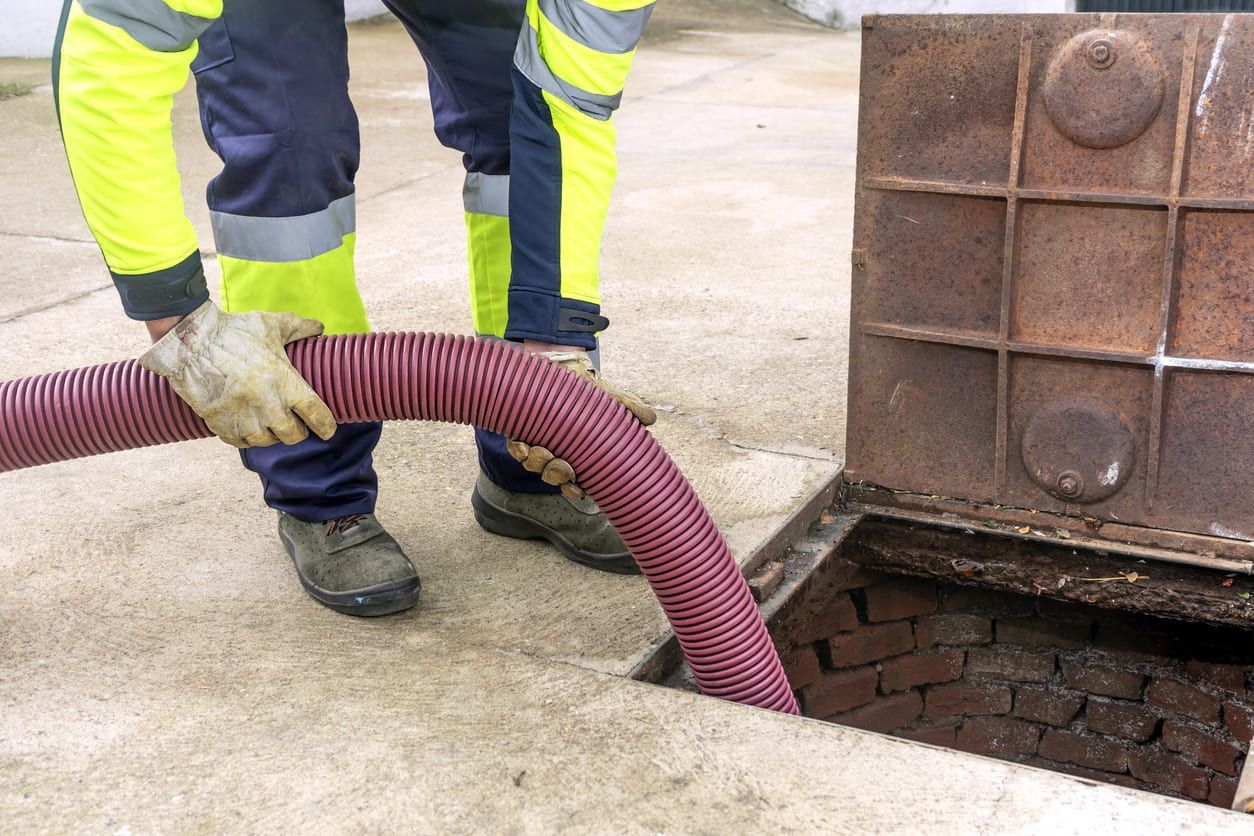
Your septic tank should be pumped regularly. Most households benefit from a pumping every 2 to 5 years, depending on the size of the tank and the number of occupants. Failing to ump your tank will lead to a build-up of sludge, which can overflow into the drain field and lead to costly damage. If you’re unsure about your pumping schedule, contact a professional who can help determine the right timing based on your usage.
Be Mindful of What Goes Down the Drain
Your septic system is not designed to handle everything. Grease, oils, coffee grounds, non-biodegradable items and harsh chemicals can disrupt the natural bacteria in the tank and cause blockages. Use septic-safe toilet paper and use cleaning products in moderation. The healthier your tank’s bacterial balance, the more efficiently it will break down waste.
Use Water Efficiently
Using too much water can overwhelm your septic system. When an excessive amount of water enters the tank at once, solids can be churned up and pushed into the drain field before they’ve had a chance to settle. Ensuring leaks are fixed, installing low-flow fixtures, and timing laundry loads accordingly can make a big difference. Conserving water isn’t just environmentally friendly; it also protects your septic system from unnecessary strain.
Protect the Drain Field
It’s crucial that your drain field is kept in good condition as it plays a vital role in filtering and dispersing wastewater. Avoid driving or parking vehicles over the area, and keep heavy structures, patios, and above-ground pools away from the drain field as they can compact the soil and damage the pipes. Additionally, deep roots from trees and shrubs can infiltrate and damage the system, so plant only grass or shallow-rooted plants nearby.
Don’t Ignore Warning Signs
Problems that are caught early are kinder to your pockets. Paying heed to signs such as slow drains, gurgling pipes, unpleasant odours, or soggy patches in your yard can save you thousands in repairs. These are all indicators of your septic system struggling or nearing failure. If you notice any of these issues, contact a professional immediately to assess the situation before it gets worse.
Keep Records and Schedule Inspections
Keeping on top of inspections, pumping dates, and repairs can help you maintain your system’s health. Scheduling a professional to perform regular inspections (typically every 1 to 3 years) can identify small issues before they become major problems. They can also check your systems components and the overall condition of the tank and drain field.
Avoid Additives and Quick Fixes
There are many products on the market claiming to improve septic system performance, but most of them are unnecessary and can even cause more harm than good. If your system is functioning properly, it will already contain the bacteria it needs to break down waste. Relying on routine maintenance is far more effective than using additives.
Maintain Your Septic System for Long Term Efficiency
With proper care, your septic system can go the distance. Follow these simple maintenance tips by Mainline Plumbing & Civil; regular pumping, mindful usage, water conservation, and routine inspections, and prevent costly repairs and preserve a system that runs efficiently for years to come.