Seasonal Plumbing Maintenance Guide: Preparing Your Home for Winter and Summer
Plumbing systems are required to work well and consistently throughout the year, delivering heating, hot water, drinking water and waste management. They face different challenges at various times of the year, however, and so you need to be sure your system is prepared for all eventualities.
Winter brings colder temperatures that can affect the performance of pipes and equipment while summer has increased water use that puts added strain on the system. So seasonal plumbing maintenance needs to take account of the challenges and prepare for them.
Winter Plumbing Preparation
Although freezing temperatures are rare in Dubbo and surrounding areas, it is best to be on the safe side and prepare for cooler temperatures. Winter preparation should start in autumn before the weather gets too cold and includes:
- Disconnecting and draining garden hoses that will not be used until next spring and turning off the water supply to outside taps.
- Insulating any exposed pipes in unheated areas so there is no danger of them freezing.
- Sealing gaps or cracks in exterior walls around pipes or cables entering the building to prevent draughts and cold air.
- Making sure the boiler and heating system are inspected, tested and are proved to be fully working before the colder weather starts. This can include flushing out the system to clear sediment, testing pressure, checking temperature settings and looking for signs of wear and corrosion.
- Clearing fallen leaves and other debris from gutters and pipes to avoid blockages during winter storms.
Summer Plumbing Preparation
Summer is a time of increased water usage for irrigation systems and outdoor pools, so you need to be prepared:
- Check outdoor equipment, such as sprinklers and irrigation pipes, for winter damage and ensure everything is working correctly.
- Check the property's water pressure using a pressure gauge. The ideal pressure is 40-80 pounds per square inch and anything higher can cause too much stress on the system.
- If you have a sump pit in your basement to prevent flooding, ensure it drains properly.
- Drain water heaters when no longer needed.
- Avoid over-use of water by adjusting water sprinklers to achieve optimum coverage and install rain sensors to avoid unnecessary watering.
All Year Round Plumbing Maintenance
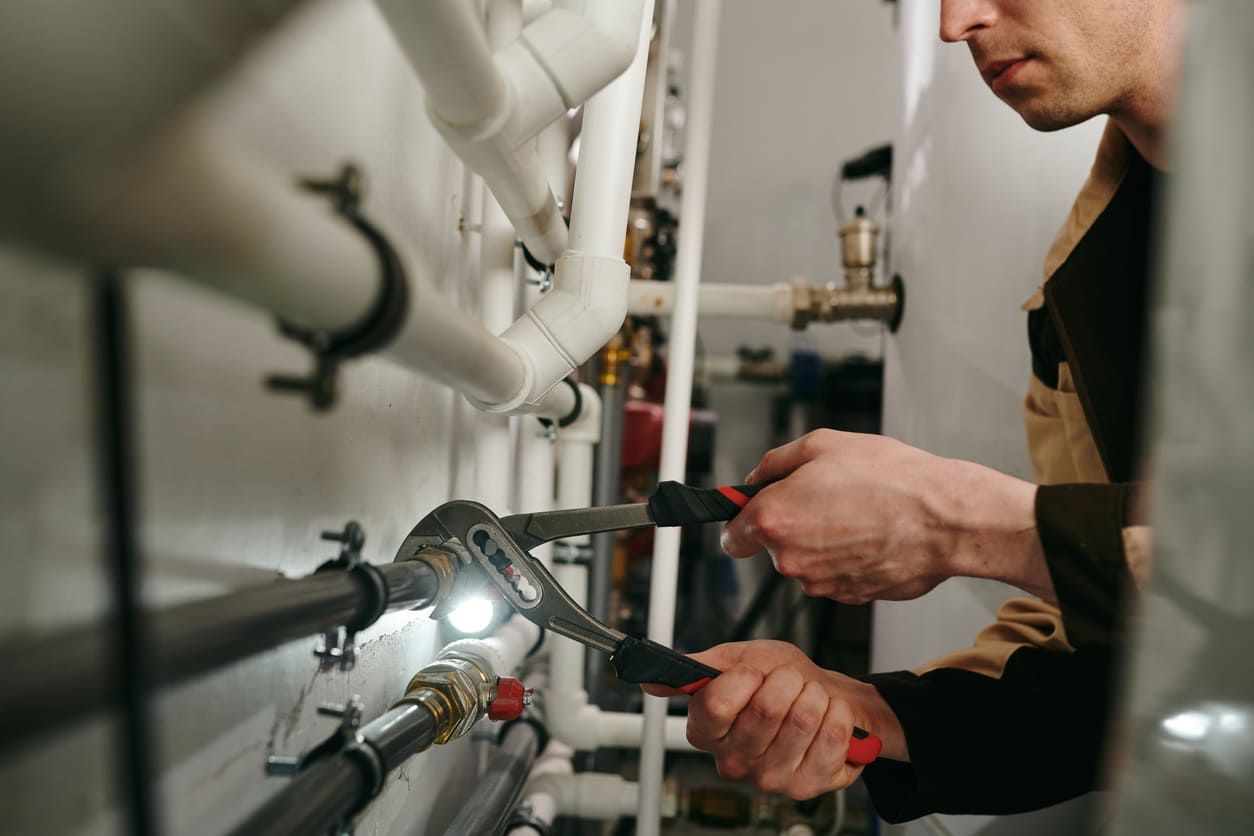
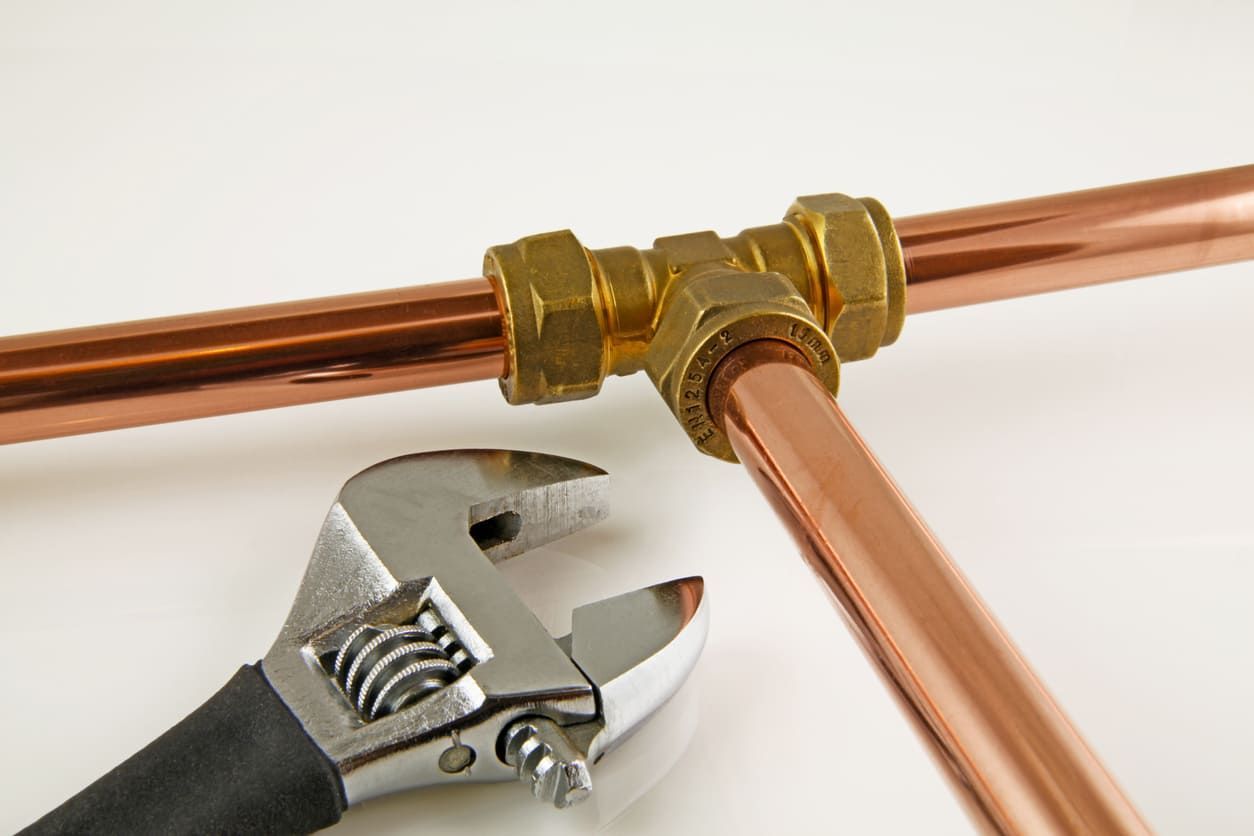
Your system needs to operate for twelve months of the year and so you need to be constantly alert to possible problems. So you can deal with minor issues, have available a pipe wrench, pipe insulation and insulating tape, a plunger to clear minor sink blockages and a drain snake for anything more serious.
Also, be aware of the location of your water shut-off valve and ensure it moves freely in case of emergencies.
To avoid problems:
- Do not flush anything but toilet paper down the toilet as other items can cause blockages.
- If any drains are used infrequently, flush them occasionally with water to ensure they remain clear.
- Check water pressure periodically and use leak detectors to avoid water loss and damage.
- Check visible pipes, especially joints, for corrosion and signs of damage.
- Keep outlets clean and clear.
- Ensure appliances work correctly with no drop in performance levels.