How Often Should you Pump out a Septic Tank? Maintenance Tips for Rural
Properties
If you’re living in a rural area, a septic system may be an essential part of your home. Many households are connected to municipal sewer systems, but those that aren’t, rely on septic tanks to quietly manage all wastewater from the home. However, just like any hardworking system, these tanks require regular maintenance to function efficiently; but how often should they be pumped?
How Often Should you Pump Your Septic Tank?
The general rule of thumb is to pump your septic tank every 2 to 5 years. However, there are several factors that determine the ideal frequency:
- Household Size: The more people residing in your home means more wastewater and faster buildup of solids.
- Tank Size: The smaller the tank, the quicker it will fill up which will require more frequent pumping.
- Water Usage Habits: Excessive water usage can overload the system.
- Waste Type: Non-biodegradable items, excess grease and food waste can accelerate the buildup of sludge.
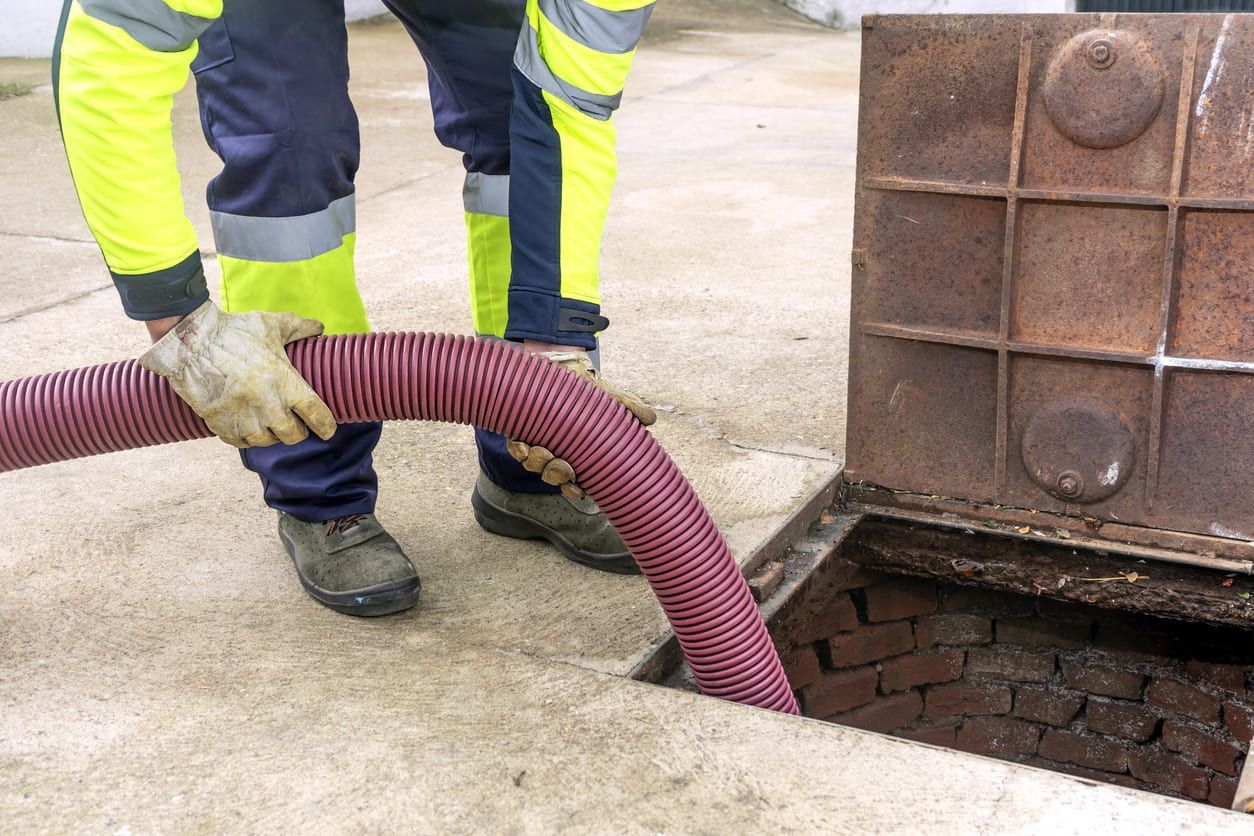
For example, a small household of two with a large septic system may only need their tank pumped every five years, whereas a family of five with a smaller tank might require a pumping every two to three years. It’s recommended to book an inspection and have a qualified technician assess your tank to recommend how frequently it should be pumped.
Why Regular Pumping Matters
Your septic tanks job is to separate solids from wastewater. Over time, these solids become sludge that settles at the bottom, and oils and grease turn to scum that floats to the top. If your tank isn’t pumped regularly, these layers can build up and flow over into the drain field. Not prioritising septic maintenance can lead to:
- Slow drains and unpleasant odours.
- Sewage backups into the home.
- Contamination of soil and groundwater.
- Costly repairs or a complete system failure.
Making sure your tank is pumped when needed is far more affordable than having it replaced.
Signs Your Septic Tank Needs Pumping
Even if you have a schedule in place, it’s important that the warning signs that your tank may need attention sooner aren’t ignored. Look out for:
- Gurgling sounds in pipes.
- Water draining slowly from sinks and tubs.
- Bad smells around the yard or drains.
- Pooling water near the drain field.
- Unusually lush or green grass over the septic area.
As soon as you notice any of these issues, call a professional.
Maintenance Tips for Rural Septic Systems
Pumping isn’t the only way to keep your septic system in top condition. Adopting simple habits can extend your tanks lifespan and reduce the need for frequent servicing.
- Monitor What Goes Down the Drain: Avoid flushing items such as wipes, sanitary products, and paper towels. Reduce grease, oil, and food scraps that can clog the system and disrupt bacterial balance.
- Limit Water: Too much water can overwhelm your septic tank and prevent solids from settling properly. Fix leaks immediately and spread-out laundry loads throughout the week.
- Protect the Drain Field: The drain field plays an important role in filtering wastewater. Avoid parking vehicles, building structures, or planting deep-rooted trees near this area, as pipes and soil structure can be damaged.
- Schedule Regular Inspections: A professional inspection every couple of years can help identify small issues before they become major problems.
- Use Septic-Safe Products: Avoid harsh chemicals as they can kill the beneficial bacteria that breaks down waste in your tank.
Plan Ahead for Peace of Mind
If you’re a rural property owner, maintaining your septic system is a critical part of protecting the home. Choosing a reputable service provider like Mainline Plumbing & Civil will ensure your septic system continues to operate smoothly for years to come. Call us today on 0423 627 149 and our professional team will help you save time, money, and stress in the long run.