How to Minimise Damage While Waiting for an Emergency Plumber

Mainline Plumbing andv Civil Pty Ltd Client • December 18, 2025

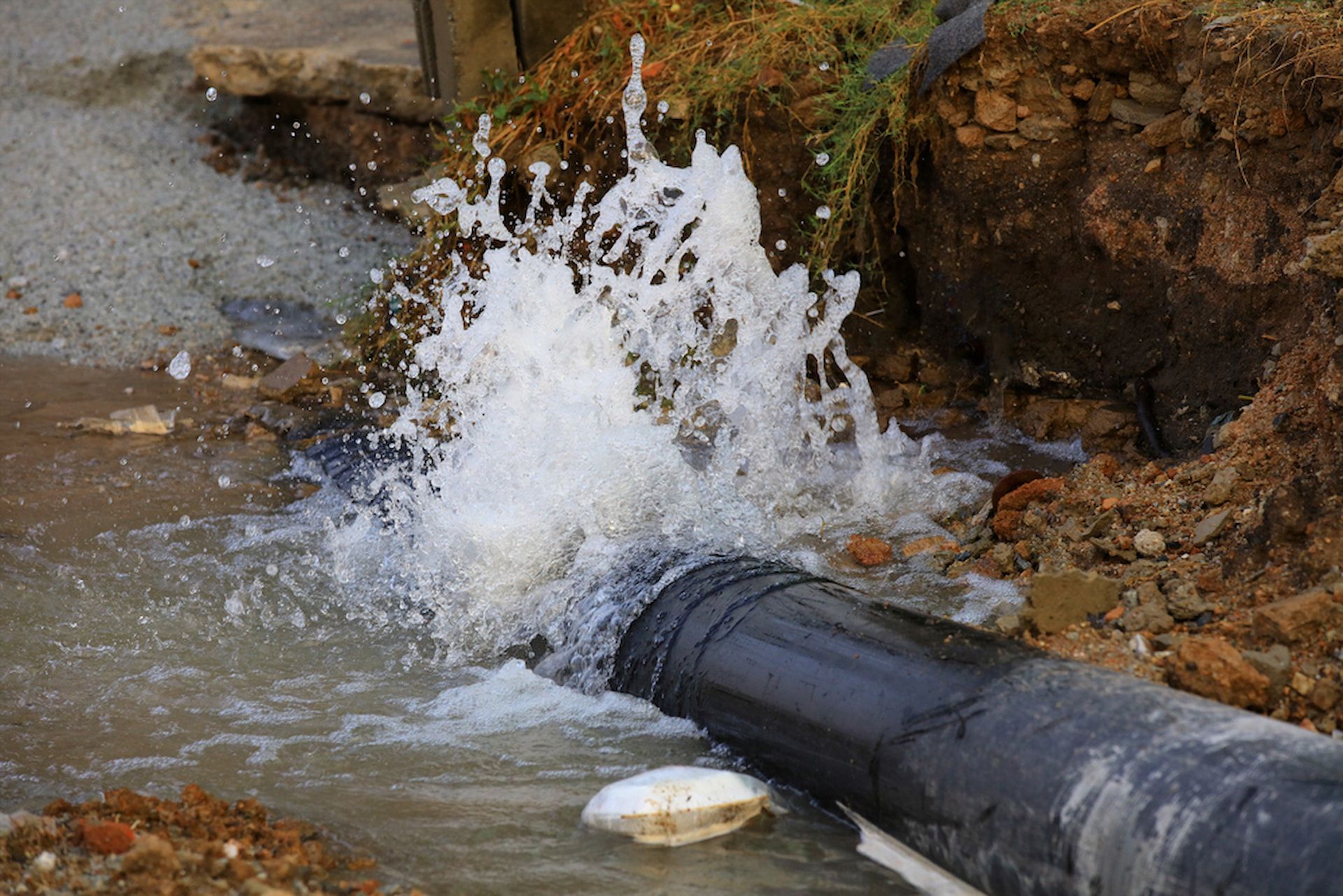
Plumbing emergencies can be distressing incidents due to the amount of damage they can cause. Water pouring from a burst pipe or an overflowing toilet are situations that require immediate attention. The secret is not to panic but to approach the situation in a structured manner.

The first priority is safety because plumbing emergencies can be a threat to life. Once you have made sure everything is as safe as possible, you can concentrate on tasks to reduce plumbing damage and record everything that has happened. By then, it shouldn't seem as bad.

The First Priority: Keeping Everyone Safe

The most important of all emergency plumbing tips are concerned with keeping everyone safe from the danger plumbing emergencies can pose. Ensure an emergency plumber has been called and then, for a gas leak, shut off the gas supply immediately. Open all doors and windows for ventilation and get everyone out of the danger area.

Water leaks are probably the most common type of plumbing emergency and for these you must take specific steps:

  • Shut off the water supply to stop the source of the water. If a specific fitting such as a tap or toilet is leaking, there will be a small valve on the pipe bringing water to the fixture. For a more major leak, use the main water shut-off valve, which will be located under the kitchen sink or in the basement or a utility room. In each case, turn the valve clockwise until fully off.
  • Drain the pipes by flushing the toilet and turning on all taps, starting with those at the lowest level. This will remove remaining water from the system and avoid further flooding.
  • Water and electricity do not mix well so turn off the supply in affected areas using the appropriate circuit breakers in the consumer unit or by removing fuses in an old style fuse box. If the water is wide-spread, turn the main switch off to affect the whole house. This will avoid the possibility of electrical shocks and fires, and you should not stand in water when the electricity is still live.

Avoiding Further Damage

Once you have ensured everyone is safe, you need to concentrate on limiting the extent of the damage resulting from the leak:

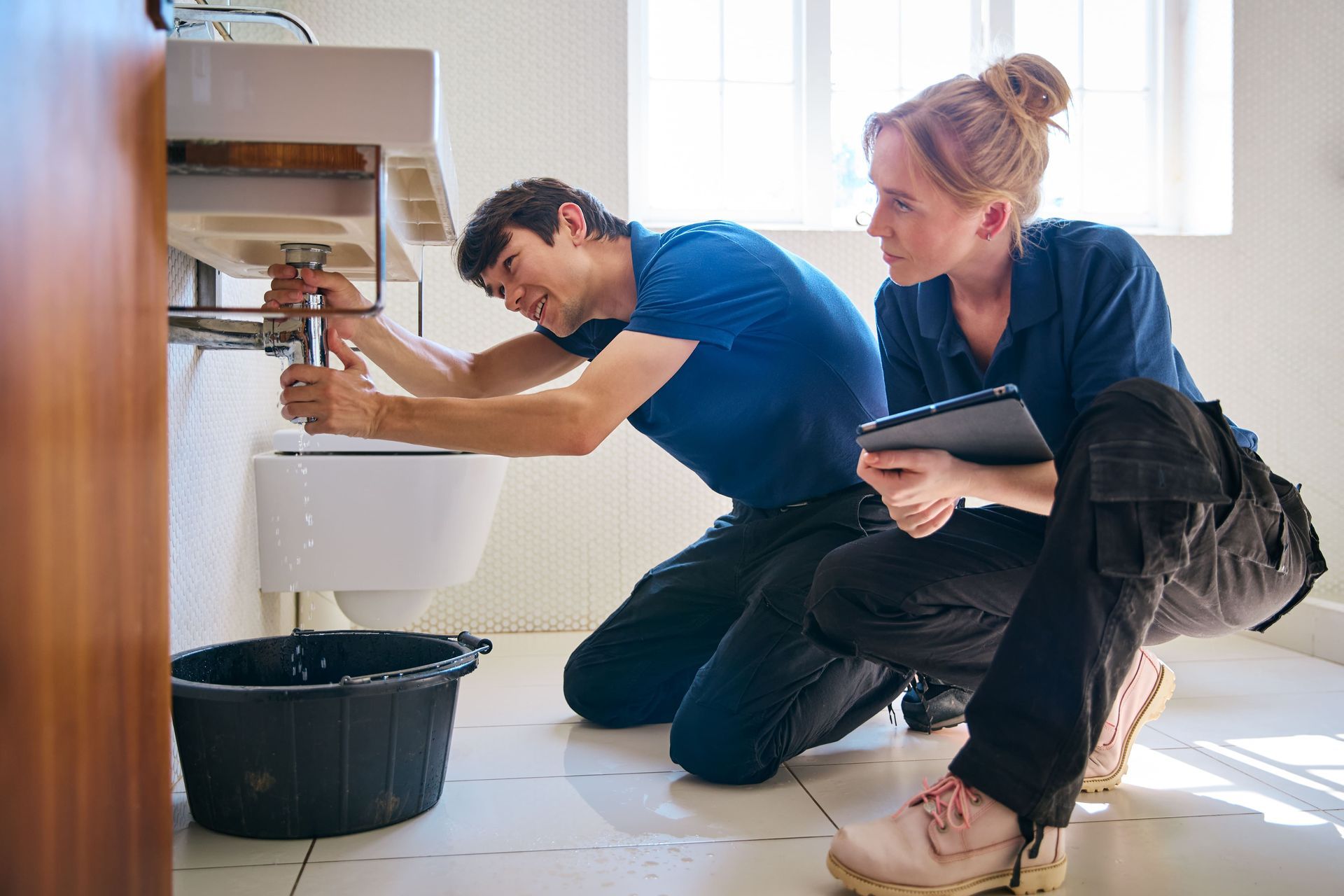
  • If water is still coming out, identify the source of the leak and use buckets or bowls to catch the water. Mop any standing water with old towels so it does not spread further.
  • Apply a temporary fix to a leaking pipe by wrapping it tightly with plumbers' tape or fastening a piece of rubber hose with a clamp or duct tape. These measures will help to protect the floors and prevent the water spreading.
  • Open windows and doors to ventilate the area, helping it to dry more quickly and reducing the risk of mould or mildew growth that can be harmful to health and difficult to remove.
  • Move furniture, electronics and other items away from the water. Relocate them to a dry and safe area or, for heavy furniture, place on blocks or heavy-duty plastic sheeting to keep dry.

Record and Prepare

Having done everything you can to protect people and belongings, you now have more time but cannot afford to relax just yet. Before that:

  • Prepare for your insurance claim by taking photographs or videos of the problem that has occurred and the damage it has caused. Make a note of the time the problem began and the actions you have taken to resolve the issue. Your claim will be helped by providing comprehensive information.
  • Clear the area around the leak so that, once the emergency plumber arrives, work can start quickly with no delays. This will ensure a swift resolution of the problem.

Avoiding Future Problems - What You Need to Do

Resolving this emergency may not be the end of your problems because other emergencies can occur in the future. You need to be sure you are prepared for them:

  • Be sure you know the location of your main water shut-off valve and that it is not too stiff to turn. Having to search for it when water is pouring from a pipe is not a good idea.
  • Ensure you have an emergency plumber you can rely on and keep contact details close at hand.
  • Put together an emergency repair kit that can help in a crisis. Include sealants, plumbers' tape and rubber patches that can be used to provide a temporary fix. Make sure the kit is always handy and everyone knows where it is.
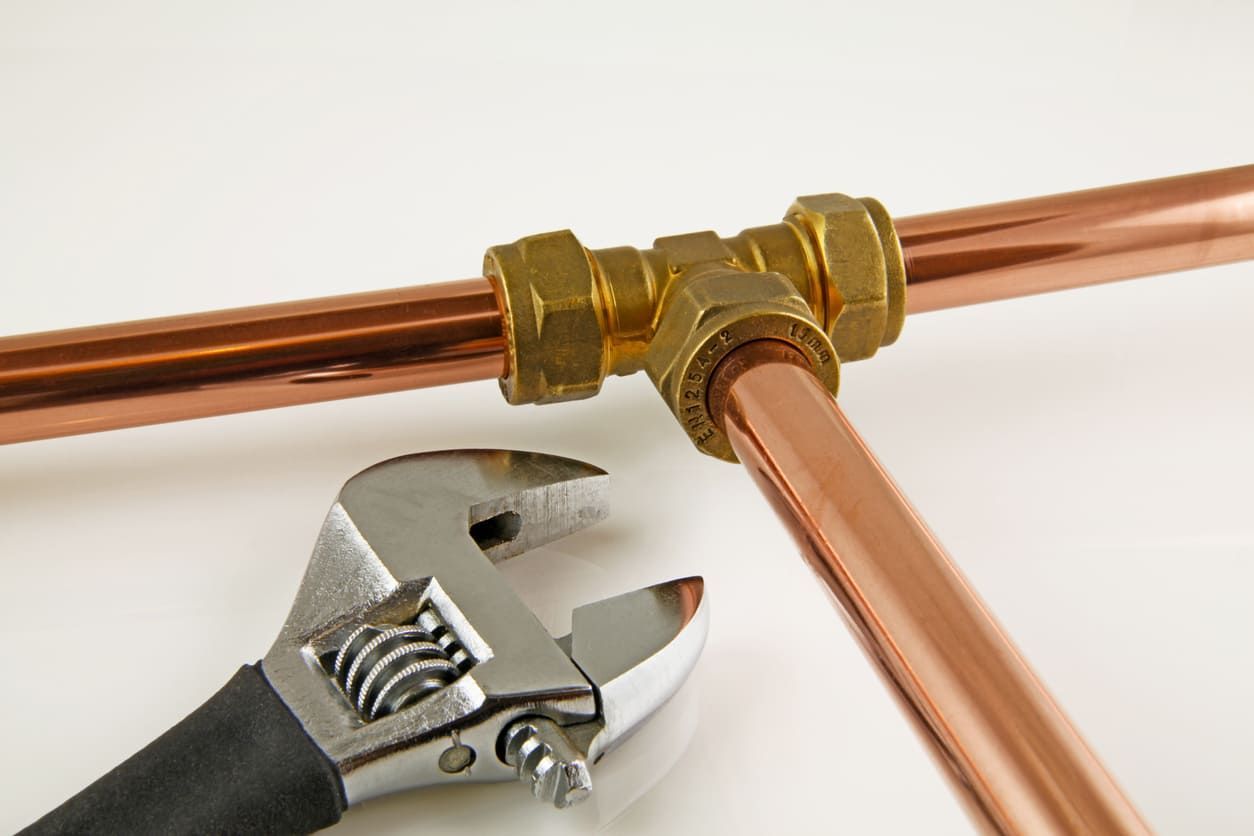
  • Have some basic plumbing tools available, such as a plunger to clear minor blockages, a pipe wrench for adjusting fittings and an adjustable spanner. These may enable you to fix minor issues such as leaks and blockages before they become major problems.
  • Have safety equipment for protection. Goggles will protect your eyes from splashes, a mask is necessary when faced with sewage and mould, and gloves provide protection against harmful chemicals and sharp objects.

By far the best way to deal with plumbing emergencies is to stop them happening. A programme of regular and proactive inspections and maintenance will identify minor problems and fix them before they escalate into an emergency. This programme will replace worn and damaged components, ensure everything is working as it should do and clear minor blockages before they become serious.


At Mainline Plumbing & Civil, we can carry out emergency repairs promptly, effectively and without fuss. We can also undertake preventative maintenance at set intervals to minimise the use of our emergency services. Plumbing problems can happen at any time but you can keep them to an absolute minimum by getting in touch today.
By Mainline Plumbing andv Civil Pty Ltd Client December 18, 2025
By Mainline Plumbing andv Civil Pty Ltd Client September 17, 2025
By Mainline Plumbing andv Civil Pty Ltd Client September 3, 2025
Preparing for a plumbing emergency is probably the wrong way to put it. Being prepared is more to the point, and it is a process that starts even before a plumber sets foot in your building. If you are starting from scratch, having the premises built, you are perfectly placed to do the job properly. If you have bought or taken over something that has been in operation for some time, you may be kitting it out because your requirements are rather different or adapting what is there already. Either way, avoiding commercial property plumbing emergencies is the object of the exercise, and this starts with choosing a good company offering commercial plumbing services . That is to say, you probably don’t contact the people who installed your new shower cubicle at home and make their day with the prospect of a big job – unless you know they have the expertise and capacity to deal with that big job. This is no place for sentiment. You’re looking for an outfit that offers commercial emergency plumbing services as part of their regular commercial plumbing services. You will find them online and you’ll still see some advertising in the newspapers and local magazines. You may need to discuss your requirements with them and get an estimate, which will mean showing them around the premises and explaining a bit about what your business entails. Having a good working relationship with your tradies is very helpful and, in this case, can be critical. Nobody is anticipating commercial property plumbing emergencies , but these things happen and the better prepared you are, the greater the chance of minimising trouble. If there are flammable substances on your premises, for instance, the risk of fire increases dramatically, so you fire prevention strategy has to be extremely well thought out, and plumbing contingency planning is best done collaboratively. You know your business and the common hazards as well as the occasional ones that can occur without warning. Is a Fire a Plumbing Emergency? Having a good water supply in the building is clearly essential for all kinds of reasons, and fighting fires is one of them. However, the company carrying out your commercial plumbing services should be well aware of the limitations of water in that respect. Your fire emergency provisions may need to involve foam, dry powder, CO2 or even wet chemicals. However, water can still be essential for many types of blazes, and that is why the fire trucks are still geared up for dousing flames with good old H2O. Water-based Plumbing Emergencies The more common situations that could call for commercial emergency plumbing are leaks and bursts. A leak is a subtle, subversive threat that can suddenly spell trouble if water gets into machinery or the electrical system. Therefore, you need to have a plan for if this happens. Bursts are more dramatic and can cause flooding with clean water or wastewater, and whichever one it is, it needs to be shut down ASAP. Commercial Emergency Plumbing: What to do Let’s say you have taken care with your commercial plumbing services, but something happens anyway; what are you going to do? The most important thing is to stay calm, because racing around in a panic is not going to help. You need to make cool, rational decisions and the first one is to stop the emergency at its source. That might mean shutting down the water supply to a machine or shutting off the water altogether at the mains. It could mean throwing the master switch in the electricity box to avert any danger of electrocution. Call the emergency services immediately and once you have done what you can to stop the flow, get out of the building. You’ve seen the signs in hotels, and you’ve heard the safety briefings on planes: leave anything you don’t absolutely need and get out of there. An emergency is an emergency, and the crucial thing is to make sure everyone involved is safe, including yourself. The aftermath and the repercussions you can deal with afterwards. Preventing Commercial Property Plumbing Emergencies With luck you will never have to deal with a commercial property plumbing emergency, but you know what they say about luck: you make your own. Find a good provider of commercial plumbing services, work with them to get the best possible system in place and don’t let the whole thing down by cutting costs. Using good quality equipment installed and serviced by experts is the best kind of insurance. And there’s the other crucial word: maintenance. Get it done regularly and keep an eye out yourself. Nipping trouble in the bud can save a lot of heartache as well as money, so be vigilant and encourage your employees to do the same. At Mainline Plumbing & Civil, we can help you prevent commercial plumbing issues. Read more about our services here .
By Mainline Plumbing andv Civil Pty Ltd Client September 3, 2025
While plumbing in the home is a relatively straightforward business, with the kitchen and bathroom to look after plus the water tank and boiler, in commercial premises it can be a lot more complex, not least because of the scale. In a big commercial unit, you may have hundreds of metres of pipes plus various areas with different purposes and therefore different plumbing needs. It stands to reason, then, that the tradespeople who provide a good, cheerful service in residential settings are not necessarily the best choice for bigger buildings. There are extra considerations in a commercial building, with fire safety prominent among them, and this involves specialised training. There may also be working at height to consider, which again means gaining knowledge and expertise over and above the basic requirements of the plumber’s trade. Certification is needed in specialised areas and there are plumbing compliance standards to be met. Employees of an industrial plumbing contractor will have spent plenty of time studying to gain a thorough understanding of working in commercial settings – and there is a huge variety within the category. Take, for instance, the difference between a factory and an office block, a school’s classrooms and its gymnasium, and that’s before we get to the very special environments of clinical units like hospitals. Every commercial unit has a requirement for water, and a large-scale plumbing infrastructure presents very different issues from a two-bedroom home. Business Plumbing Solutions If you are having a building fitted out for a business, it is important to get a commercial plumbing contractor involved at an early stage. Plumbing has to be incorporated into the premises, rather than added on afterwards. If it’s an office suite, you may be thinking about the ambience, the light, the acoustics, and generally making sure it’s a good place for productivity – and productivity comes from people being comfortable and able to concentrate. While the kitchen area may not be high on your list of priorities, having a decent one is all part of being the kind of employer people want to work for. If you’re setting up an industrial unit there may be a requirement for some showers in addition to the usual washing and toilet facilities, but how big and where? An experienced industrial plumbing contractor can draw on past projects to show you what works and what doesn’t, thereby saving you from making errors that detract from the perceived status of the place of work. Everyone has relatively high standards these days, and it is important that the plumbing doesn’t let you down in either its scope or efficiency. You won’t find industrial options in the hardware superstore on your local industrial estate, so you can either make it up as you go along and take your chances or you can talk to someone accustomed to large-scale plumbing infrastructure. They’re not going to try to push you towards things you don’t need, because their job is to install and service units, not sell them. Having said that, they will have seen which options previous clients were happy with and those that people regretted and soon had to replace. What Extra Skills Do Licensed Commercial Plumbers Have? All plumbers are used to working in confined spaces, but in a big setting, particularly one with high ceilings, safety becomes even more important. A licensed commercial plumber will be trained to work in these conditions, and not only will they be more aware of safety, but because they are comfortable working like this, they can get a good job done rather than failing to do their best because they want to get it over with. Working at heights, for instance, is not something that just anyone would be prepared to do, but a company offering business plumbing solutions will have staff who can work safely up in the rafters while seeing to anything from water pipes to sprinklers. They will have a good knowledge of fire prevention and be able to provide the premises with fire hydrants and reels, the sort of hosing that rolls up flat for convenience and space-saving but turns into a big, fat hose full of water when needed. A plumbing company billing itself as commercial plumbing contractors should also be able to guide you through the legal requirements and point you towards the people to talk to at the council to make sure premises are up to scratch as regards local regulations. If You’re Taking Over an Existing Building Expert assistance is essential when you take over a property that someone else set up, because it is now your responsibility, and a good firm of commercial plumbing contractors will cast an expert eye over the setup to see if it’s okay as it is or needs upgrading. Health and safety regulations are not just obstacles put in your way by bureaucrats; they exist to safeguard your workforce and your customers. At Mainline Plumbing & Civil, we cover all commercial plumbing needs. Read more about those services here .
By Mainline Plumbing andv Civil Pty Ltd Client September 3, 2025